Buy pvy.eu ?
We are moving the project
pvy.eu .
Are you interested in purchasing the domain
pvy.eu ?
domain@kv-gmbh.de · 0541-91531010
Buy pvy.eu ?
What is the efficiency of combustion power plants?
The efficiency of combustion power plants can vary depending on the type of fuel used and the technology employed. Generally, modern combustion power plants can achieve efficiencies ranging from 30% to 40%. This means that only 30-40% of the energy content of the fuel is converted into electricity, while the rest is lost as waste heat. Efforts are being made to improve the efficiency of combustion power plants through advancements in technology and the use of combined heat and power systems. **
What is combustion?
Combustion is a chemical reaction that occurs when a substance reacts with oxygen to produce heat and light. This reaction typically involves the rapid oxidation of a fuel source, such as wood, gasoline, or natural gas. Combustion is a key process in many everyday activities, such as burning fuel for transportation, heating homes, and cooking food. It is also a major source of energy production in power plants and engines. **


Similar search terms for Combustion
Top-Angebote
Products related to Combustion:
-
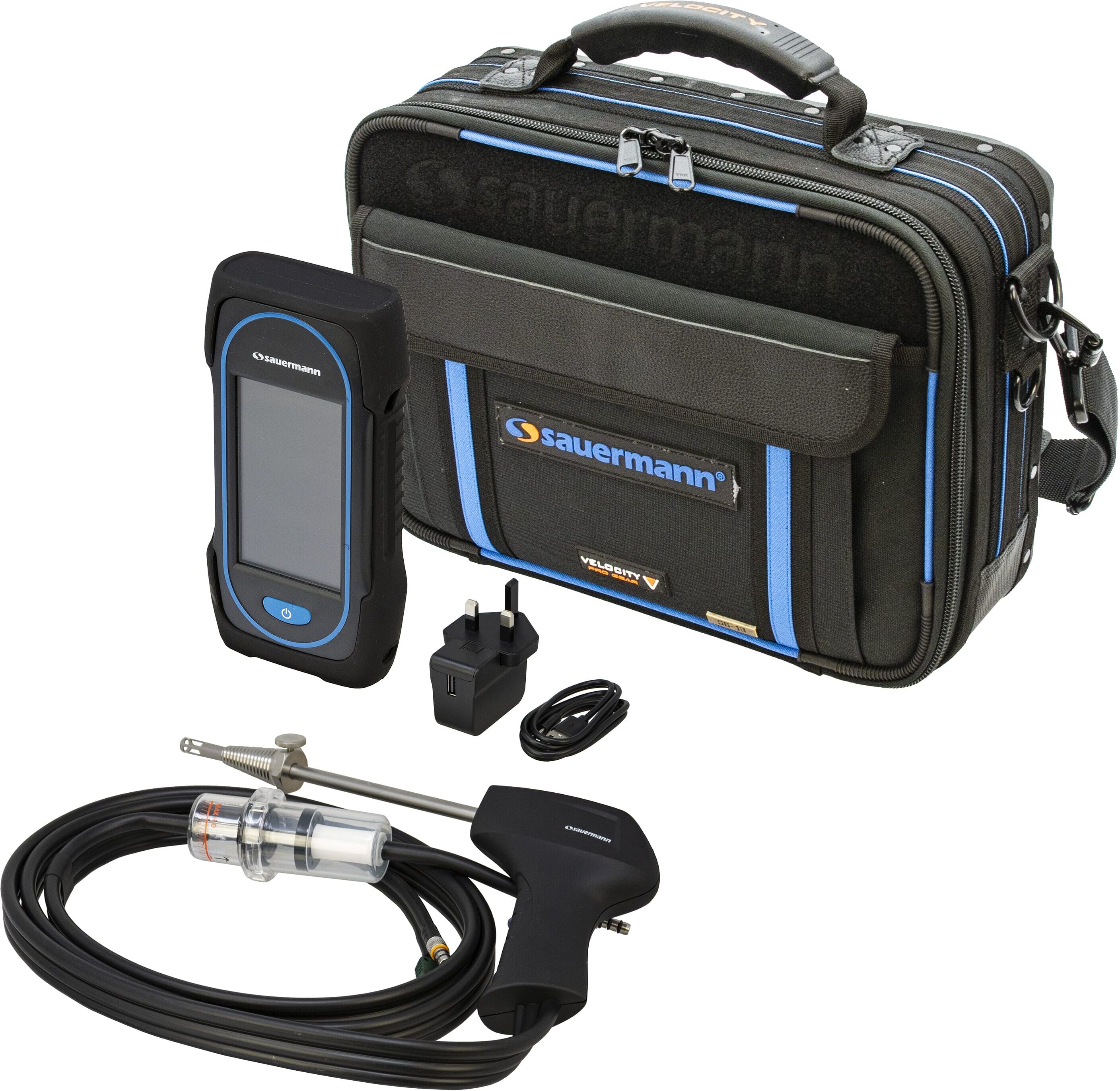
Sauermann Si-CA 130 Elite Combustion Flue Gas AnalyserSauermann Si-CA 130 Elite Combustion Flue Gas Analyser Multi-Gas Combustion Analysis for Residential & Commercial Systems The Sauermann Si-CA 130 Elite is an advanced combustion flue gas analyser in a compact, ergonomic package, built for residential and commercial gas system monitoring. The base unit ships with two field-replaceable sensors — O₂ and CO (up to 8,000 ppm) — with NO or low-range NO available to add a third sensor for accurate NOx measurement, including in low NOx or high moisture environments. Built-in diagnostics such as sensor life indicators and calibration reminders help minimise downtime. The analyser calculates CO₂ percentage, combustion efficiency and excess air, and measures draft and differential pressure. It also monitors CO and CO₂ in ambient air, giving a combined safety and performance tool for combustion e772,44 £*Shipping: 0,00 £Secure redirect to the provider
-
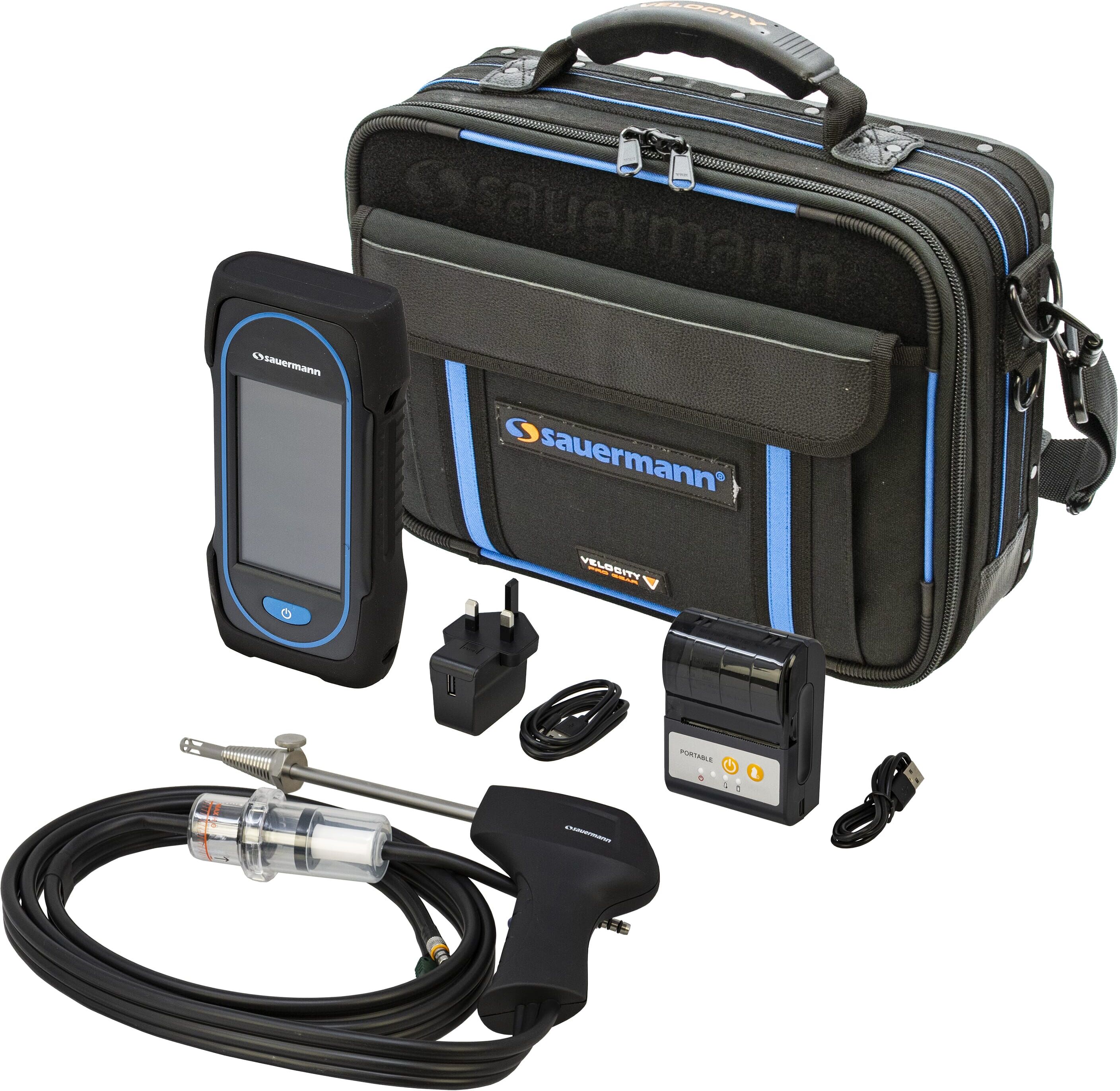
Sauermann Si-CA 130 Elite Combustion Flue Gas Analyser - Printer KitSauermann Si-CA 130 Elite Combustion Flue Gas Analyser – Printer Kit Multi-Gas Combustion Analysis for Residential & Commercial Systems The Sauermann Si-CA 130 Elite Printer Kit is an advanced combustion flue gas analyser in a compact, ergonomic package, built for residential and commercial gas system monitoring. The base unit ships with two field-replaceable sensors — O₂ and CO (up to 8,000 ppm) — with NO or low-range NO available to add a third sensor for accurate NOx measurement, including in low NOx or high moisture environments. Built-in diagnostics such as sensor life indicators and calibration reminders help minimise downtime. The analyser calculates CO₂ percentage, combustion efficiency and excess air, and measures draft and differential pressure. It also monitors CO and CO₂ in ambient air, giving a combined safety and perfo893,35 £*Shipping: 0,00 £Secure redirect to the provider
-
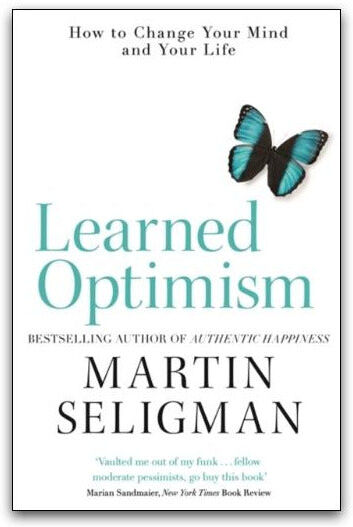
Nicholas Brealey Publishing Learned Optimism by Martin E. P. Seligman Positive Psychology, Resilience & Personal GrowthDiscover the life-changing power of positive thinking with Learned Optimism by renowned psychologist and positive psychology pioneer Martin E. P. Seligman. In this influential book, Seligman explains how optimism is not simply an inborn trait—it can be learned. Drawing on decades of psychological research, he introduces practical techniques to help readers recognize negative thought patterns, develop a more constructive outlook, and build resilience in the face of life's challenges. Whether you're looking to improve your mental wellbeing, boost confidence, manage setbacks, or achieve personal and professional success, Learned Optimism provides evidence-based strategies that can help you cultivate a healthier, more positive mindset. Why Readers Love This Book: Written by the founder of positive psychology Research-based techniques for building optimism and resilience Practical exercises to overcome negative thinking Helps improve confidence, wellbeing, and emotional strength Ideal for readers interested in psychology, self-improvement, and mental wellness A modern classic in psychology, Learned Optimism offers practical tools to help you develop a more resilient mindset and lead a happier, more fulfilling life.5,99 £*Shipping: 2,99 £Secure redirect to the provider
-
Penguin Emotional Agility by Susan David - Paperback - Bestselling Psychology & Self-Help Book for Resilience and Personal GrowthDiscover the science-backed approach to mastering your inner life with Emotional Agility by Susan David. This Wall Street Journal bestselling guide offers practical strategies for unhooking from unhelpful thoughts and emotions, helping you build greater resilience and clarity in your personal and professional life. Written by a Harvard Medical School psychologist, the book distills twenty years of research into actionable advice for navigating career transitions, relationship challenges, and the pressures of modern life. Susan David explores the internal chatter we all experience, revealing that thoughts like 'I'm not good enough' are not fixed truths, but patterns that can be reshaped. With its clear and accessible framework, Emotional Agility is a valuable resource for anyone looking to develop greater emotional agility and live a more fulfilling life.14,99 £*Shipping: 2,99 £Secure redirect to the provider

-
What is the difference between complete combustion and incomplete combustion?
Complete combustion occurs when a fuel burns in the presence of sufficient oxygen, resulting in the production of carbon dioxide and water as the only byproducts. In contrast, incomplete combustion happens when there is insufficient oxygen present during the burning process, leading to the formation of carbon monoxide, carbon particles, and other harmful pollutants in addition to carbon dioxide and water. Complete combustion is more efficient and cleaner, while incomplete combustion is less efficient and produces more pollutants. **
-
What is the difference between combustion energy and combustion enthalpy?
Combustion energy refers to the total energy released during a combustion reaction, including both the heat and light energy. It is the total amount of energy released when a substance undergoes combustion. On the other hand, combustion enthalpy refers to the heat energy released during a combustion reaction at constant pressure. It is the heat change that occurs during the combustion process. In summary, combustion energy includes all forms of energy released during combustion, while combustion enthalpy specifically refers to the heat energy released at constant pressure. **
-
What is produced during the combustion of a combustion engine?
During the combustion of a combustion engine, the primary products produced are carbon dioxide (CO2) and water (H2O). Additionally, small amounts of other gases such as carbon monoxide (CO), nitrogen oxides (NOx), and unburned hydrocarbons may also be produced. These emissions contribute to air pollution and have environmental impacts. Efforts are being made to reduce these emissions through the use of cleaner fuels and more efficient engine designs. **
-
Electric or combustion engine?
The choice between an electric or combustion engine depends on various factors such as environmental impact, cost, and convenience. Electric engines are more environmentally friendly and have lower operating costs, but they may have limited range and longer refueling times. On the other hand, combustion engines have a longer range and quicker refueling times, but they produce more emissions and have higher operating costs. Ultimately, the decision between the two depends on individual needs and priorities. **


'Hybrid or combustion engine?'
When deciding between a hybrid or combustion engine, it ultimately depends on your priorities and driving habits. Hybrid engines are more fuel-efficient and environmentally friendly, making them a good choice for city driving and stop-and-go traffic. On the other hand, combustion engines are typically more powerful and better suited for long-distance driving or towing heavy loads. Consider factors such as your daily commute, budget, and environmental concerns when choosing between the two. **
What is spontaneous combustion?
Spontaneous combustion is a phenomenon where a material self-ignites without an external heat source. This can occur when certain materials reach a critical temperature and combine with oxygen in the air, causing them to ignite. Common examples of materials that can undergo spontaneous combustion include oily rags, hay, and coal dust. Spontaneous combustion can be dangerous as it can lead to fires without any obvious ignition source. **
Top-Angebote
Products related to Combustion:
-
Kane KMCP35 Combustion Flexi Probe (CP35)Kane KMCP35 Combustion Flexi Probe (CP35) The Kane CP35 is a combustion probe with a flexible shaft and integral thermocouple, designed to reach awkward access points and test spots where a conventional solid probe won't fit. It has a 300mm flexible shaft, 8mm diameter, and a 1m neoprene hose. This probe is a direct accessory for Kane's 258 and 458s gas analysers. For other Kane models, the Kane SM11103 adapter is needed to ensure compatibility. Key Features & Benefits 300mm Flexible Shaft: Reaches difficult access points a rigid probe can't get into. 8mm Diameter: Slim design for insertion into various flue types. Integral Thermocouple: Simultaneous temperature measurement alongside combustion gas sampling.214,80 £*Shipping: 0,00 £Secure redirect to the provider
-
Sauermann Si-CA 030 Combustion Flue Gas Analyser - KIT2ACSauermann Si-CA 030 Combustion Flue Gas Analyser – KIT2AC The Sauermann Si-CA 030 is a compact combustion flue gas analyser built for heating engineers, gas installers and HVAC technicians carrying out boiler servicing, emissions monitoring and combustion efficiency testing on residential and commercial heating systems. It supports up to three gas sensors — O₂, CO (up to 8,000 ppm), and an optional NO sensor for calculating NOx — giving a comprehensive picture of combustion through CO₂ percentage, combustion efficiency, excess air and draft pressure. The colour display connects wirelessly to a phone via the Sauermann Combustion app, which allows remote control of the analyser, real-time monitoring, data logging and automatic report generation in PDF or CSV formats. Built for field use, the analyser weighs just 350g and comes with a445,13 £*Shipping: 0,00 £Secure redirect to the provider
-
Sauermann Si-CA 130 Elite Combustion Flue Gas AnalyserSauermann Si-CA 130 Elite Combustion Flue Gas Analyser Multi-Gas Combustion Analysis for Residential & Commercial Systems The Sauermann Si-CA 130 Elite is an advanced combustion flue gas analyser in a compact, ergonomic package, built for residential and commercial gas system monitoring. The base unit ships with two field-replaceable sensors — O₂ and CO (up to 8,000 ppm) — with NO or low-range NO available to add a third sensor for accurate NOx measurement, including in low NOx or high moisture environments. Built-in diagnostics such as sensor life indicators and calibration reminders help minimise downtime. The analyser calculates CO₂ percentage, combustion efficiency and excess air, and measures draft and differential pressure. It also monitors CO and CO₂ in ambient air, giving a combined safety and performance tool for combustion e772,44 £*Shipping: 0,00 £Secure redirect to the provider
-
Sauermann Si-CA 130 Elite Combustion Flue Gas Analyser - Printer KitSauermann Si-CA 130 Elite Combustion Flue Gas Analyser – Printer Kit Multi-Gas Combustion Analysis for Residential & Commercial Systems The Sauermann Si-CA 130 Elite Printer Kit is an advanced combustion flue gas analyser in a compact, ergonomic package, built for residential and commercial gas system monitoring. The base unit ships with two field-replaceable sensors — O₂ and CO (up to 8,000 ppm) — with NO or low-range NO available to add a third sensor for accurate NOx measurement, including in low NOx or high moisture environments. Built-in diagnostics such as sensor life indicators and calibration reminders help minimise downtime. The analyser calculates CO₂ percentage, combustion efficiency and excess air, and measures draft and differential pressure. It also monitors CO and CO₂ in ambient air, giving a combined safety and perfo893,35 £*Shipping: 0,00 £Secure redirect to the provider
-
What is the efficiency of combustion power plants?
The efficiency of combustion power plants can vary depending on the type of fuel used and the technology employed. Generally, modern combustion power plants can achieve efficiencies ranging from 30% to 40%. This means that only 30-40% of the energy content of the fuel is converted into electricity, while the rest is lost as waste heat. Efforts are being made to improve the efficiency of combustion power plants through advancements in technology and the use of combined heat and power systems. **
-
What is combustion?
Combustion is a chemical reaction that occurs when a substance reacts with oxygen to produce heat and light. This reaction typically involves the rapid oxidation of a fuel source, such as wood, gasoline, or natural gas. Combustion is a key process in many everyday activities, such as burning fuel for transportation, heating homes, and cooking food. It is also a major source of energy production in power plants and engines. **
-
What is the difference between complete combustion and incomplete combustion?
Complete combustion occurs when a fuel burns in the presence of sufficient oxygen, resulting in the production of carbon dioxide and water as the only byproducts. In contrast, incomplete combustion happens when there is insufficient oxygen present during the burning process, leading to the formation of carbon monoxide, carbon particles, and other harmful pollutants in addition to carbon dioxide and water. Complete combustion is more efficient and cleaner, while incomplete combustion is less efficient and produces more pollutants. **
-
What is the difference between combustion energy and combustion enthalpy?
Combustion energy refers to the total energy released during a combustion reaction, including both the heat and light energy. It is the total amount of energy released when a substance undergoes combustion. On the other hand, combustion enthalpy refers to the heat energy released during a combustion reaction at constant pressure. It is the heat change that occurs during the combustion process. In summary, combustion energy includes all forms of energy released during combustion, while combustion enthalpy specifically refers to the heat energy released at constant pressure. **
Similar search terms for Combustion
-
Nicholas Brealey Publishing Learned Optimism by Martin E. P. Seligman Positive Psychology, Resilience & Personal GrowthDiscover the life-changing power of positive thinking with Learned Optimism by renowned psychologist and positive psychology pioneer Martin E. P. Seligman. In this influential book, Seligman explains how optimism is not simply an inborn trait—it can be learned. Drawing on decades of psychological research, he introduces practical techniques to help readers recognize negative thought patterns, develop a more constructive outlook, and build resilience in the face of life's challenges. Whether you're looking to improve your mental wellbeing, boost confidence, manage setbacks, or achieve personal and professional success, Learned Optimism provides evidence-based strategies that can help you cultivate a healthier, more positive mindset. Why Readers Love This Book: Written by the founder of positive psychology Research-based techniques for building optimism and resilience Practical exercises to overcome negative thinking Helps improve confidence, wellbeing, and emotional strength Ideal for readers interested in psychology, self-improvement, and mental wellness A modern classic in psychology, Learned Optimism offers practical tools to help you develop a more resilient mindset and lead a happier, more fulfilling life.5,99 £*Shipping: 2,99 £Secure redirect to the provider
-
Penguin Emotional Agility by Susan David - Paperback - Bestselling Psychology & Self-Help Book for Resilience and Personal GrowthDiscover the science-backed approach to mastering your inner life with Emotional Agility by Susan David. This Wall Street Journal bestselling guide offers practical strategies for unhooking from unhelpful thoughts and emotions, helping you build greater resilience and clarity in your personal and professional life. Written by a Harvard Medical School psychologist, the book distills twenty years of research into actionable advice for navigating career transitions, relationship challenges, and the pressures of modern life. Susan David explores the internal chatter we all experience, revealing that thoughts like 'I'm not good enough' are not fixed truths, but patterns that can be reshaped. With its clear and accessible framework, Emotional Agility is a valuable resource for anyone looking to develop greater emotional agility and live a more fulfilling life.14,99 £*Shipping: 2,99 £Secure redirect to the provider
-
Sesderma Reti Age 5 Liposomal Serum Anti-Aging Innovation 30mLA facial serum for wrinkles and signs of ageing. Reduces wrinkles and fine lines. Hydrates and strengthens barrier. Restores youthful radiance. 5-Retinoid System: smooths wrinkles, accelerates renewal, and boosts collagen. Biomimetic Peptides: fill expression lines by stimulating collagen synthesis.53,26 £*Shipping: 5,22 £Secure redirect to the provider
-
Rethink Press Meltdown: How to Turn Your Hardship into Happiness by Jamie Alderton - Paperback Self-Help Book on Resilience, Mindset & Business GrowthMeltdown: How to Turn Your Hardship into Happiness is a practical self-help guide by fitness entrepreneur and transformation coach Jamie Alderton. Written for anyone whose life, work or wellbeing feels like it's falling apart, this book shows readers how to measure what's broken in their body, brain and business, then apply proven strategies to rebuild momentum, confidence and lasting happiness. Ever feel like your life is having a complete meltdown? This is the honest question at the heart of Jamie Alderton's guide. Rather than offering vague motivational platitudes, Meltdown gives readers a structured, repeatable framework for turning hardship into genuine progress. Alderton breaks life down into three core areas — body, brain and business — and teaches readers how to identify exactly what's gone off track in each. Published by Rethink Press, this paperback book is a brand-new self-help guide for those seeking to rebuild and find happiness.3,49 £*Shipping: 2,99 £Secure redirect to the provider
-
What is produced during the combustion of a combustion engine?
During the combustion of a combustion engine, the primary products produced are carbon dioxide (CO2) and water (H2O). Additionally, small amounts of other gases such as carbon monoxide (CO), nitrogen oxides (NOx), and unburned hydrocarbons may also be produced. These emissions contribute to air pollution and have environmental impacts. Efforts are being made to reduce these emissions through the use of cleaner fuels and more efficient engine designs. **
-
Electric or combustion engine?
The choice between an electric or combustion engine depends on various factors such as environmental impact, cost, and convenience. Electric engines are more environmentally friendly and have lower operating costs, but they may have limited range and longer refueling times. On the other hand, combustion engines have a longer range and quicker refueling times, but they produce more emissions and have higher operating costs. Ultimately, the decision between the two depends on individual needs and priorities. **
-
'Hybrid or combustion engine?'
When deciding between a hybrid or combustion engine, it ultimately depends on your priorities and driving habits. Hybrid engines are more fuel-efficient and environmentally friendly, making them a good choice for city driving and stop-and-go traffic. On the other hand, combustion engines are typically more powerful and better suited for long-distance driving or towing heavy loads. Consider factors such as your daily commute, budget, and environmental concerns when choosing between the two. **
-
What is spontaneous combustion?
Spontaneous combustion is a phenomenon where a material self-ignites without an external heat source. This can occur when certain materials reach a critical temperature and combine with oxygen in the air, causing them to ignite. Common examples of materials that can undergo spontaneous combustion include oily rags, hay, and coal dust. Spontaneous combustion can be dangerous as it can lead to fires without any obvious ignition source. **
* All prices are inclusive of VAT and, if applicable, plus shipping costs. The offer information is based on the details provided by the respective shop and is updated through automated processes. Real-time updates do not occur, so deviations can occur in individual cases. ** Note: Parts of this content were created by AI.