Buy pvy.eu ?
We are moving the project
pvy.eu .
Are you interested in purchasing the domain
pvy.eu ?
domain@kv-gmbh.de · 0541-91531010
Buy pvy.eu ?
Do you like cultural diversity in individual countries?
Yes, I believe that cultural diversity in individual countries is a positive and enriching aspect of society. It allows for a greater understanding and appreciation of different traditions, customs, and perspectives. Cultural diversity also promotes tolerance and acceptance, and can lead to a more vibrant and dynamic society. Embracing and celebrating cultural diversity can ultimately contribute to a more inclusive and harmonious global community. **
How is the growth of countries calculated?
The growth of countries is typically calculated using the Gross Domestic Product (GDP) growth rate. GDP measures the total value of all goods and services produced within a country's borders over a specific period of time. The GDP growth rate compares the GDP of one period to the GDP of a previous period, usually on a quarterly or annual basis, to determine the rate of economic growth or contraction. Other factors such as population growth, inflation, and employment rates are also considered when analyzing the overall growth of a country. **
Similar search terms for Countries
Top-Angebote
Products related to Countries:
-
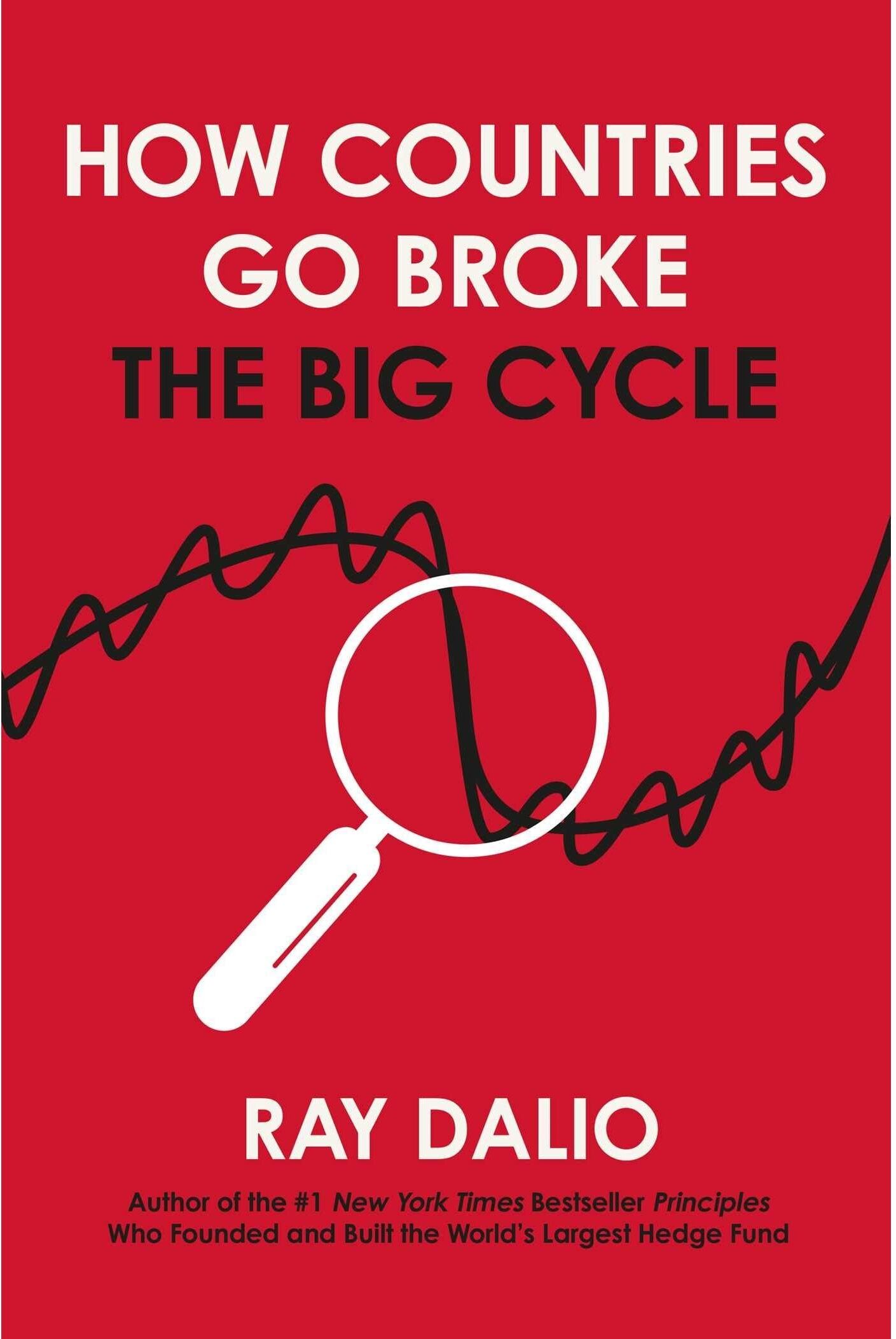
How Countries Go Broke Principles for Navigating the Big Debt Cycle, Where We Are Headed, and What We Should Do by Ray Dalio - Non Fiction - Hardback Simon & SchusterDo big government debts threaten our collective well-being? Are there limits to debt growth? Can a big, important reserve currency country like the United States really go broke – and what would that look like? For decades, politicians, policymakers and investors have debated these questions, but the answers have eluded them. In this groundbreaking book, Ray Dalio, one of the greatest investors of our time who anticipated the 2008 global financial crisis and the 2010–12 European debt crisis, shares for the first time his detailed explanation of what he calls the 'Big Debt Cycle'. Understanding this cycle is critical for helping policymakers, investors and the general public grasp where we are and where we are headed with the debt issue. Dalio's model points toward surprisingly straightforward solutions for dealing with the debt problems that the US, Europe, Japan and China face today. How Countries Go Broke also shows how these debt problems are related to the other forces – political within countries, geopolitical between countries, natural (droughts, floods and pandemics) and technological (most importantly, AI) – that together are causing what Dalio calls the 'Overall Big Cycle' changes in the world order. By reading this book, you will improve your understanding of what's happening now and what to do about it.15,99 £*Shipping: 2,99 £Secure redirect to the provider
-
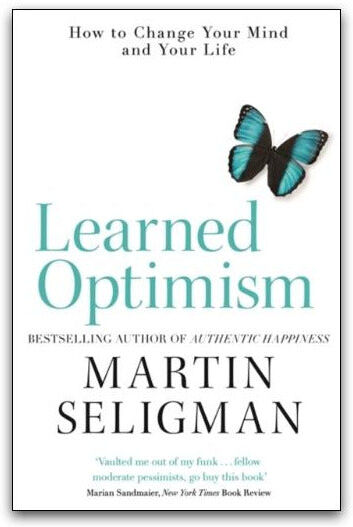
Nicholas Brealey Publishing Learned Optimism by Martin E. P. Seligman Positive Psychology, Resilience & Personal GrowthDiscover the life-changing power of positive thinking with Learned Optimism by renowned psychologist and positive psychology pioneer Martin E. P. Seligman. In this influential book, Seligman explains how optimism is not simply an inborn trait—it can be learned. Drawing on decades of psychological research, he introduces practical techniques to help readers recognize negative thought patterns, develop a more constructive outlook, and build resilience in the face of life's challenges. Whether you're looking to improve your mental wellbeing, boost confidence, manage setbacks, or achieve personal and professional success, Learned Optimism provides evidence-based strategies that can help you cultivate a healthier, more positive mindset. Why Readers Love This Book: Written by the founder of positive psychology Research-based techniques for building optimism and resilience Practical exercises to overcome negative thinking Helps improve confidence, wellbeing, and emotional strength Ideal for readers interested in psychology, self-improvement, and mental wellness A modern classic in psychology, Learned Optimism offers practical tools to help you develop a more resilient mindset and lead a happier, more fulfilling life.5,99 £*Shipping: 2,99 £Secure redirect to the provider
-
Penguin Emotional Agility by Susan David - Paperback - Bestselling Psychology & Self-Help Book for Resilience and Personal GrowthDiscover the science-backed approach to mastering your inner life with Emotional Agility by Susan David. This Wall Street Journal bestselling guide offers practical strategies for unhooking from unhelpful thoughts and emotions, helping you build greater resilience and clarity in your personal and professional life. Written by a Harvard Medical School psychologist, the book distills twenty years of research into actionable advice for navigating career transitions, relationship challenges, and the pressures of modern life. Susan David explores the internal chatter we all experience, revealing that thoughts like 'I'm not good enough' are not fixed truths, but patterns that can be reshaped. With its clear and accessible framework, Emotional Agility is a valuable resource for anyone looking to develop greater emotional agility and live a more fulfilling life.14,99 £*Shipping: 2,99 £Secure redirect to the provider
-
Sesderma Reti Age 5 Liposomal Serum Anti-Aging Innovation 30mLA facial serum for wrinkles and signs of ageing. Reduces wrinkles and fine lines. Hydrates and strengthens barrier. Restores youthful radiance. 5-Retinoid System: smooths wrinkles, accelerates renewal, and boosts collagen. Biomimetic Peptides: fill expression lines by stimulating collagen synthesis.53,26 £*Shipping: 5,22 £Secure redirect to the provider


-
Why is sustainability important in the textile industry in emerging countries?
Sustainability is crucial in the textile industry in emerging countries for several reasons. Firstly, these countries often lack strict environmental regulations, leading to high levels of pollution and resource depletion. Implementing sustainable practices can help mitigate these negative impacts on the environment. Additionally, consumers worldwide are increasingly demanding ethically produced and environmentally friendly products, making sustainability a competitive advantage for companies in emerging countries. Lastly, adopting sustainable practices can improve the overall well-being of workers in the textile industry by ensuring safe working conditions and fair wages. **
-
How do you calculate the growth of countries?
The growth of countries is typically calculated using the Gross Domestic Product (GDP) as a primary indicator. GDP measures the total value of all goods and services produced within a country's borders over a specific period of time. The growth of a country's GDP is then calculated by comparing the current GDP to the previous period's GDP, usually on an annual basis. This growth rate is used to assess the overall economic performance and development of a country. Additionally, other indicators such as population growth, employment rates, and income levels are also considered when evaluating the growth of countries. **
-
Which EU countries have a similar strong diversity of cultures as Germany?
France and the United Kingdom are two EU countries that have a similar strong diversity of cultures as Germany. France is known for its rich history and regional differences in language, cuisine, and traditions. The United Kingdom is made up of four countries - England, Scotland, Wales, and Northern Ireland - each with its own distinct culture and identity. Both countries have a long history of immigration and multiculturalism, contributing to their diverse cultural landscapes. **
-
Which countries are Balkan countries?
The Balkan countries are located in the southeastern region of Europe and include Albania, Bosnia and Herzegovina, Bulgaria, Croatia, Greece, Kosovo, Montenegro, North Macedonia, Romania, Serbia, and Slovenia. These countries are characterized by their diverse cultures, histories, and landscapes, and are often considered a bridge between the East and the West. The term "Balkan" is derived from the Balkan Mountains, which run through the region. **


Is the fuel in foreign countries of lower quality?
The quality of fuel in foreign countries can vary widely depending on the regulations and standards set by each country. Some countries may have lower quality fuel due to less stringent regulations or lower refining standards. However, many countries have similar or even higher quality fuel compared to the United States. It is important for travelers to research the fuel quality in the specific country they are visiting and to be aware of any potential differences in fuel standards. **
Does climate change have an impact on making warm countries even warmer and cold countries even colder?
Yes, climate change can have an impact on making warm countries even warmer and cold countries even colder. As global temperatures rise, warm countries may experience more extreme heat events and longer periods of high temperatures. On the other hand, cold countries may experience more extreme cold events and longer periods of freezing temperatures. These changes in temperature can have significant impacts on ecosystems, agriculture, and human health in both warm and cold countries. **
Top-Angebote
Products related to Countries:
-
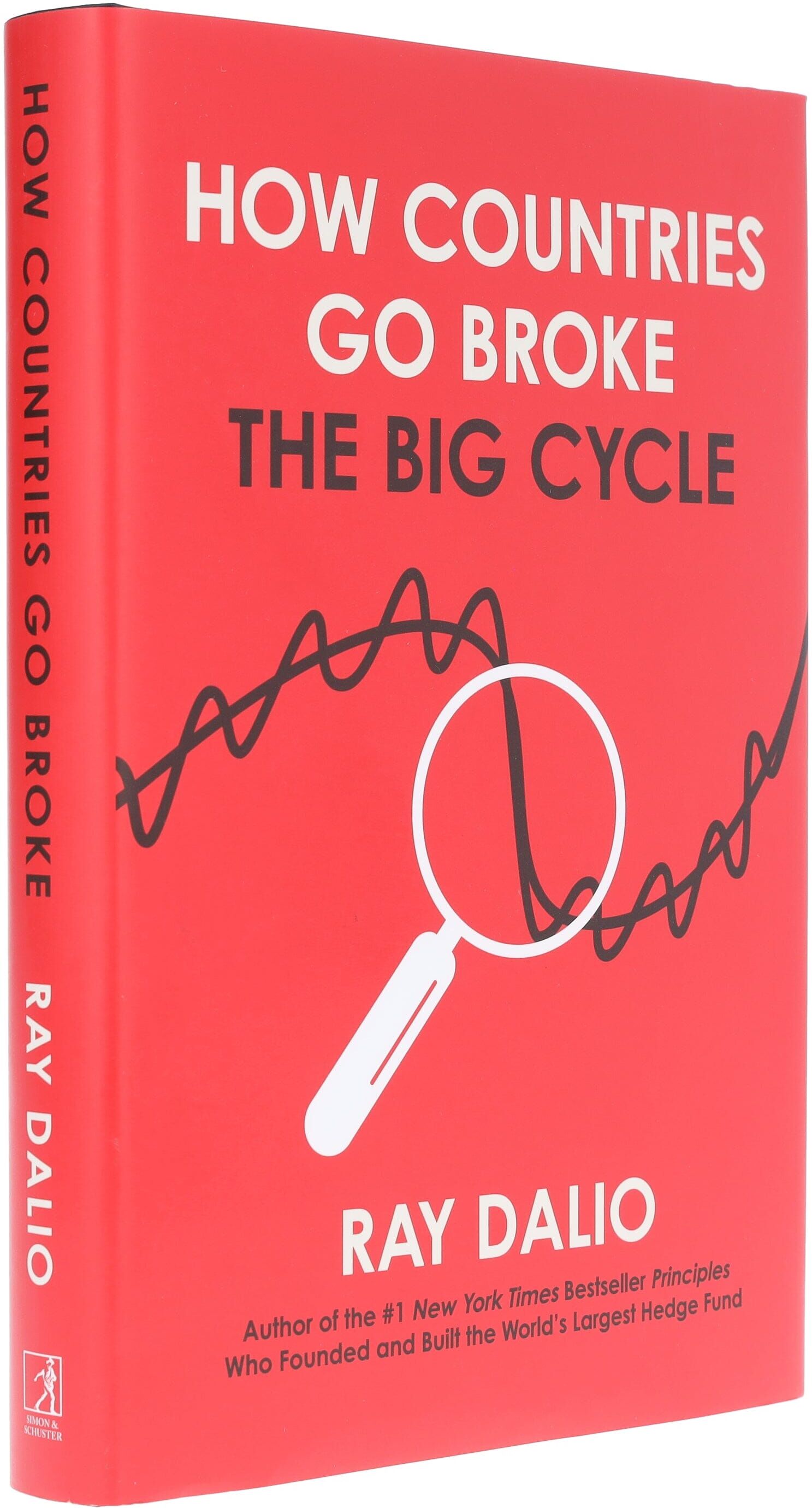
Simon and Schuster UK How Countries Go Broke: Principles for Navigating the Big Debt Cycle, Where We Are Headed, and What We Should DoAn urgent warning about the global economy from Ray Dalio, the #1 New York Times bestselling author of Principles. Do big government debts threaten our collective well-being? Are there limits to debt growth? Can a big, important reserve currency country like the United States really go broke – and what would that look like? For decades, politicians, policymakers and investors have debated these questions, but the answers have eluded them. In this groundbreaking book, Ray Dalio, one of the greatest investors of our time who anticipated the 2008 global financial crisis and the 2010–12 European debt crisis, shares for the first time his detailed explanation of what he calls the 'Big Debt Cycle'. Understanding this cycle is critical for helping policymakers, investors and the general public grasp where we are and where we are headed with the debt issue. Dalio's model points toward surprisingly straightforward solutions for dealing with the debt problems that the US, Europe, Japan and China face today. How Countries Go Broke also shows how these debt problems are related to the other forces – political within countries, geopolitical between countries, natural (droughts, floods and pandemics) and technological (most importantly, AI) – that together are causing what Dalio calls the 'Overall Big Cycle' changes in the world order. By reading this book, you will improve your understanding of what's happening now and what to do about it.17,99 £*Shipping: 2,99 £Secure redirect to the provider
-
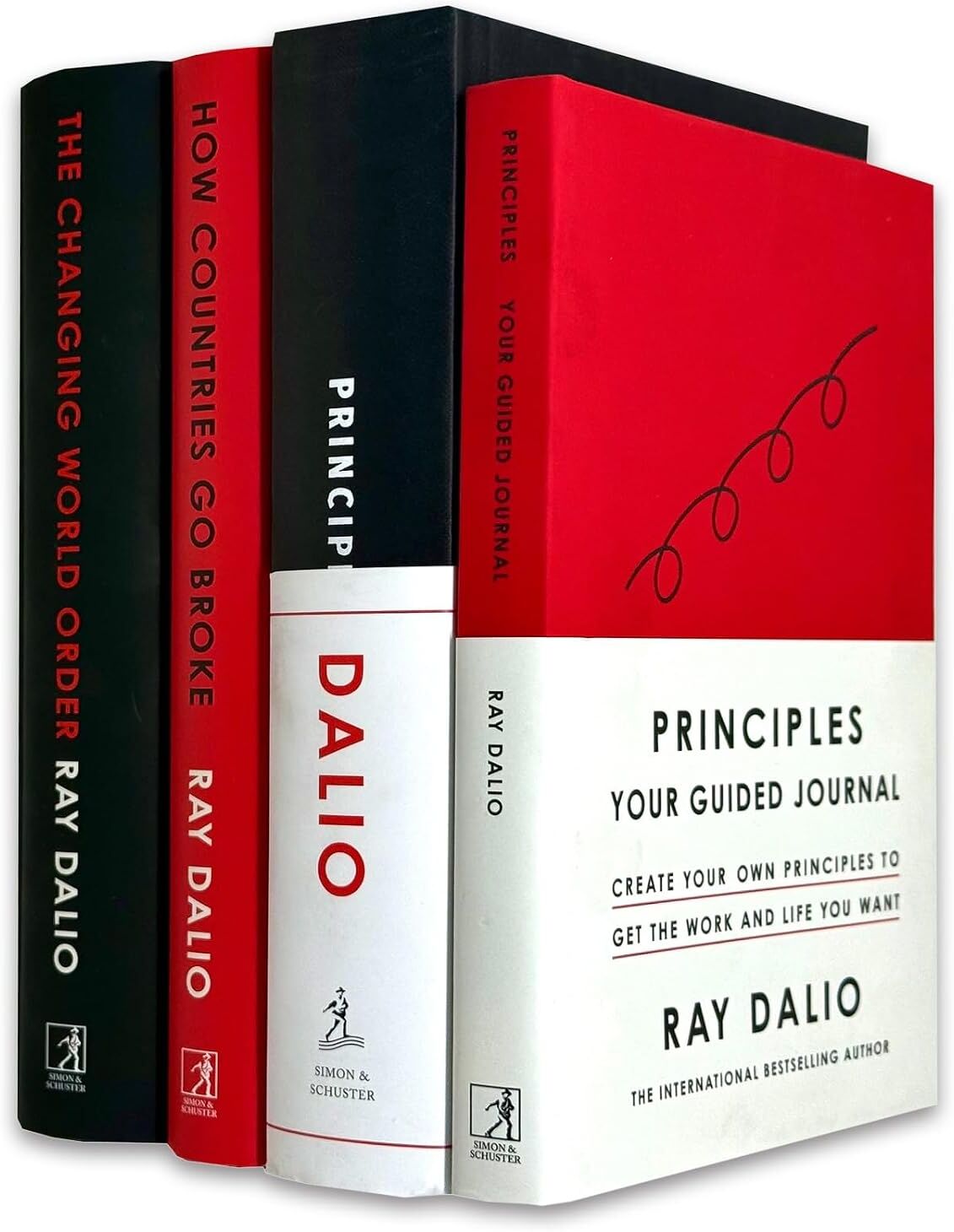
Ray Dalio Collection (Principles: Life and Work, The Changing World Order, How Countries Go Broke & Guided Journal) 4 Books Set - Non Fiction - Hardback Simon & SchusterTitles in this Set: 1. Principles: Life and Work 2. Principles for Dealing with the Changing World Order 3. How Countries Go Broke: The Big Cycle 4. Principles: Your Guided Journal Description: Principles: Life and Work In 1975, Ray Dalio founded an investment firm, Bridgewater Associates, out of his two-bedroom apartment in New York City. Forty years later, Bridgewater has made more money for its clients than any other hedge fund in history and grown into the fifth most important private company in the United States, according to Fortune magazine. Dalio himself has been named to Time magazine’s list of the 100 most influential people in the world. Along the way, Dalio discovered a set of unique principles that have led to Bridgewater’s exceptionally effective culture, which he describes as “an idea meritocracy that strives to achieve meaningful work and meaningful relationships through radical transparency.” It is these principles, and not anything special about Dalio—who grew up an ordinary kid in a middle-class Long Island neighborhood—that he believes are the reason behind his success. In Principles, Dalio shares what he’s learned over the course of his remarkable career. He argues that life, management, economics, and investing can all be systemized into rules and understood like machines. The book’s hundreds of practical lessons, which are built around his cornerstones of “radical truth” and “radical transparency,” include Dalio laying out the most effective ways for individuals and organizations to make decisions, approach challenges, and build strong teams. He also describes the innovative tools the firm uses to bring an idea meritocracy to life, such as creating “baseball cards” for all employees that distill their strengths and weaknesses, and employing computerized decision-making systems to make believability-weighted decisions. While the book brims with novel ideas for organizations and institutions, Principles also offers a clear, straightforward approach to decision-making that Dalio believes anyone can apply, no matter what they’re seeking to achieve. Principles for Dealing with the Changing World Order A few years ago, Ray Dalio noticed a confluence of political and economic conditions he hadn’t encountered before. They included huge debts and zero or near-zero interest rates that led to massive printing of money in the world’s three major reserve currencies; big political and social conflicts within countries, especially the US, due to the largest wealth, political and values disparities in more than 100 years; and the rising of a world power (China) to challenge the existing world power (US) and the existing world order. The last time that this confluence occurred was between 1930 and 1945. This realisation sent Dalio on a search for the repeating patterns and cause/effect relationships underlying all major changes in wealth and power over the last 500 years. In this remarkable and timely addition to his Principles series,...35,99 £*Shipping: 0,00 £Secure redirect to the provider
-
How Countries Go Broke Principles for Navigating the Big Debt Cycle, Where We Are Headed, and What We Should Do by Ray Dalio - Non Fiction - Hardback Simon & SchusterDo big government debts threaten our collective well-being? Are there limits to debt growth? Can a big, important reserve currency country like the United States really go broke – and what would that look like? For decades, politicians, policymakers and investors have debated these questions, but the answers have eluded them. In this groundbreaking book, Ray Dalio, one of the greatest investors of our time who anticipated the 2008 global financial crisis and the 2010–12 European debt crisis, shares for the first time his detailed explanation of what he calls the 'Big Debt Cycle'. Understanding this cycle is critical for helping policymakers, investors and the general public grasp where we are and where we are headed with the debt issue. Dalio's model points toward surprisingly straightforward solutions for dealing with the debt problems that the US, Europe, Japan and China face today. How Countries Go Broke also shows how these debt problems are related to the other forces – political within countries, geopolitical between countries, natural (droughts, floods and pandemics) and technological (most importantly, AI) – that together are causing what Dalio calls the 'Overall Big Cycle' changes in the world order. By reading this book, you will improve your understanding of what's happening now and what to do about it.15,99 £*Shipping: 2,99 £Secure redirect to the provider
-
Nicholas Brealey Publishing Learned Optimism by Martin E. P. Seligman Positive Psychology, Resilience & Personal GrowthDiscover the life-changing power of positive thinking with Learned Optimism by renowned psychologist and positive psychology pioneer Martin E. P. Seligman. In this influential book, Seligman explains how optimism is not simply an inborn trait—it can be learned. Drawing on decades of psychological research, he introduces practical techniques to help readers recognize negative thought patterns, develop a more constructive outlook, and build resilience in the face of life's challenges. Whether you're looking to improve your mental wellbeing, boost confidence, manage setbacks, or achieve personal and professional success, Learned Optimism provides evidence-based strategies that can help you cultivate a healthier, more positive mindset. Why Readers Love This Book: Written by the founder of positive psychology Research-based techniques for building optimism and resilience Practical exercises to overcome negative thinking Helps improve confidence, wellbeing, and emotional strength Ideal for readers interested in psychology, self-improvement, and mental wellness A modern classic in psychology, Learned Optimism offers practical tools to help you develop a more resilient mindset and lead a happier, more fulfilling life.5,99 £*Shipping: 2,99 £Secure redirect to the provider
-
Do you like cultural diversity in individual countries?
Yes, I believe that cultural diversity in individual countries is a positive and enriching aspect of society. It allows for a greater understanding and appreciation of different traditions, customs, and perspectives. Cultural diversity also promotes tolerance and acceptance, and can lead to a more vibrant and dynamic society. Embracing and celebrating cultural diversity can ultimately contribute to a more inclusive and harmonious global community. **
-
How is the growth of countries calculated?
The growth of countries is typically calculated using the Gross Domestic Product (GDP) growth rate. GDP measures the total value of all goods and services produced within a country's borders over a specific period of time. The GDP growth rate compares the GDP of one period to the GDP of a previous period, usually on a quarterly or annual basis, to determine the rate of economic growth or contraction. Other factors such as population growth, inflation, and employment rates are also considered when analyzing the overall growth of a country. **
-
Why is sustainability important in the textile industry in emerging countries?
Sustainability is crucial in the textile industry in emerging countries for several reasons. Firstly, these countries often lack strict environmental regulations, leading to high levels of pollution and resource depletion. Implementing sustainable practices can help mitigate these negative impacts on the environment. Additionally, consumers worldwide are increasingly demanding ethically produced and environmentally friendly products, making sustainability a competitive advantage for companies in emerging countries. Lastly, adopting sustainable practices can improve the overall well-being of workers in the textile industry by ensuring safe working conditions and fair wages. **
-
How do you calculate the growth of countries?
The growth of countries is typically calculated using the Gross Domestic Product (GDP) as a primary indicator. GDP measures the total value of all goods and services produced within a country's borders over a specific period of time. The growth of a country's GDP is then calculated by comparing the current GDP to the previous period's GDP, usually on an annual basis. This growth rate is used to assess the overall economic performance and development of a country. Additionally, other indicators such as population growth, employment rates, and income levels are also considered when evaluating the growth of countries. **
Similar search terms for Countries
-
Penguin Emotional Agility by Susan David - Paperback - Bestselling Psychology & Self-Help Book for Resilience and Personal GrowthDiscover the science-backed approach to mastering your inner life with Emotional Agility by Susan David. This Wall Street Journal bestselling guide offers practical strategies for unhooking from unhelpful thoughts and emotions, helping you build greater resilience and clarity in your personal and professional life. Written by a Harvard Medical School psychologist, the book distills twenty years of research into actionable advice for navigating career transitions, relationship challenges, and the pressures of modern life. Susan David explores the internal chatter we all experience, revealing that thoughts like 'I'm not good enough' are not fixed truths, but patterns that can be reshaped. With its clear and accessible framework, Emotional Agility is a valuable resource for anyone looking to develop greater emotional agility and live a more fulfilling life.14,99 £*Shipping: 2,99 £Secure redirect to the provider
-
Sesderma Reti Age 5 Liposomal Serum Anti-Aging Innovation 30mLA facial serum for wrinkles and signs of ageing. Reduces wrinkles and fine lines. Hydrates and strengthens barrier. Restores youthful radiance. 5-Retinoid System: smooths wrinkles, accelerates renewal, and boosts collagen. Biomimetic Peptides: fill expression lines by stimulating collagen synthesis.53,26 £*Shipping: 5,22 £Secure redirect to the provider
-
Rethink Press Meltdown: How to Turn Your Hardship into Happiness by Jamie Alderton - Paperback Self-Help Book on Resilience, Mindset & Business GrowthMeltdown: How to Turn Your Hardship into Happiness is a practical self-help guide by fitness entrepreneur and transformation coach Jamie Alderton. Written for anyone whose life, work or wellbeing feels like it's falling apart, this book shows readers how to measure what's broken in their body, brain and business, then apply proven strategies to rebuild momentum, confidence and lasting happiness. Ever feel like your life is having a complete meltdown? This is the honest question at the heart of Jamie Alderton's guide. Rather than offering vague motivational platitudes, Meltdown gives readers a structured, repeatable framework for turning hardship into genuine progress. Alderton breaks life down into three core areas — body, brain and business — and teaches readers how to identify exactly what's gone off track in each. Published by Rethink Press, this paperback book is a brand-new self-help guide for those seeking to rebuild and find happiness.3,49 £*Shipping: 2,99 £Secure redirect to the provider
-
Stealth Gaming Headset Stand - Black - USB Connectivity - RGB LightingSleek curved black frame supports a wide range of headsets with weighted non-slip base. Customizable RGB lighting with 12 effects, USB powered with two ports. Suitable for PlayStation Xbox Nintendo Switch PC and mobile devices. No assembly required.17,83 £*Shipping: 3,95 £Secure redirect to the provider
-
Which EU countries have a similar strong diversity of cultures as Germany?
France and the United Kingdom are two EU countries that have a similar strong diversity of cultures as Germany. France is known for its rich history and regional differences in language, cuisine, and traditions. The United Kingdom is made up of four countries - England, Scotland, Wales, and Northern Ireland - each with its own distinct culture and identity. Both countries have a long history of immigration and multiculturalism, contributing to their diverse cultural landscapes. **
-
Which countries are Balkan countries?
The Balkan countries are located in the southeastern region of Europe and include Albania, Bosnia and Herzegovina, Bulgaria, Croatia, Greece, Kosovo, Montenegro, North Macedonia, Romania, Serbia, and Slovenia. These countries are characterized by their diverse cultures, histories, and landscapes, and are often considered a bridge between the East and the West. The term "Balkan" is derived from the Balkan Mountains, which run through the region. **
-
Is the fuel in foreign countries of lower quality?
The quality of fuel in foreign countries can vary widely depending on the regulations and standards set by each country. Some countries may have lower quality fuel due to less stringent regulations or lower refining standards. However, many countries have similar or even higher quality fuel compared to the United States. It is important for travelers to research the fuel quality in the specific country they are visiting and to be aware of any potential differences in fuel standards. **
-
Does climate change have an impact on making warm countries even warmer and cold countries even colder?
Yes, climate change can have an impact on making warm countries even warmer and cold countries even colder. As global temperatures rise, warm countries may experience more extreme heat events and longer periods of high temperatures. On the other hand, cold countries may experience more extreme cold events and longer periods of freezing temperatures. These changes in temperature can have significant impacts on ecosystems, agriculture, and human health in both warm and cold countries. **
* All prices are inclusive of VAT and, if applicable, plus shipping costs. The offer information is based on the details provided by the respective shop and is updated through automated processes. Real-time updates do not occur, so deviations can occur in individual cases. ** Note: Parts of this content were created by AI.